
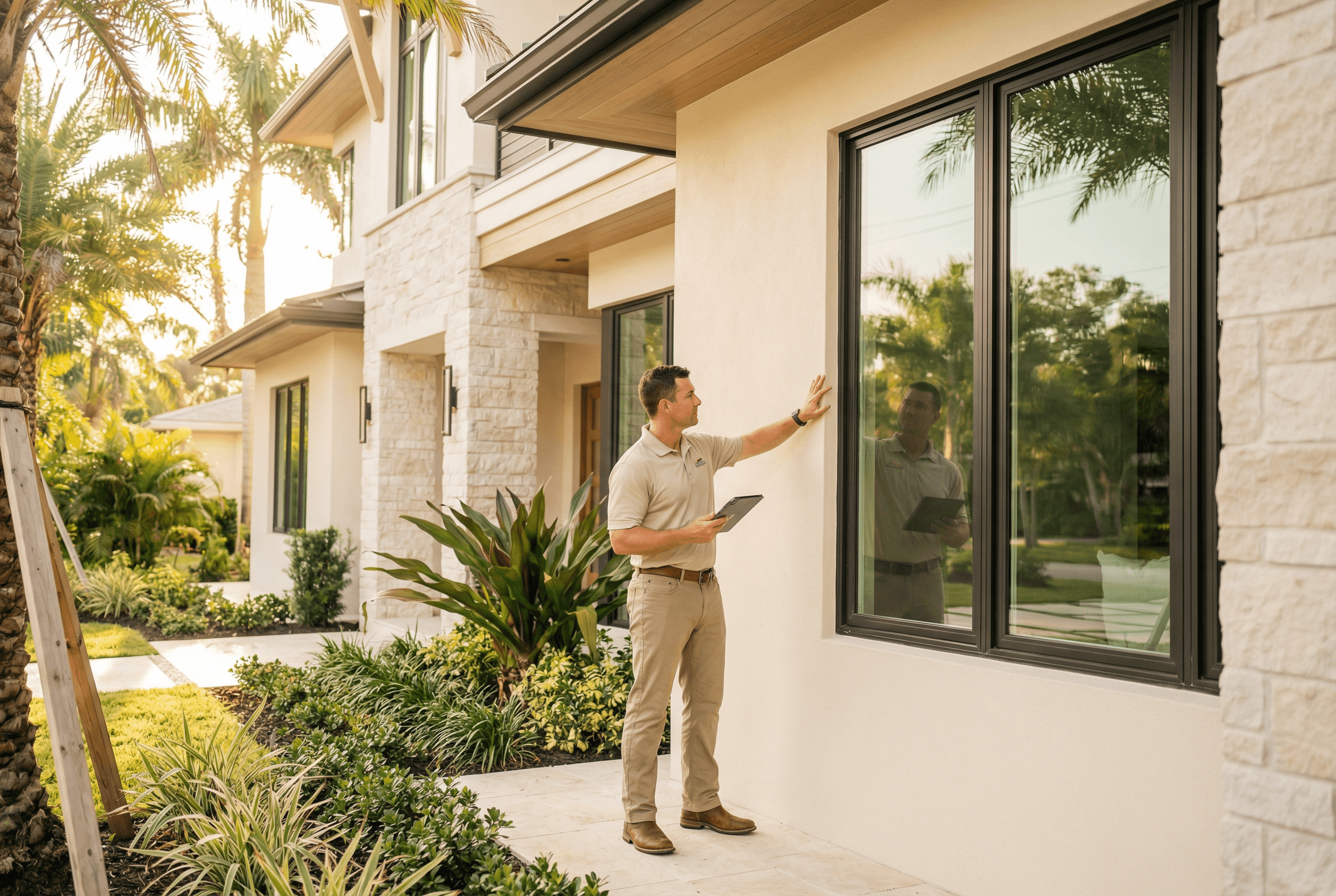
Why April Is the Time to Act
Every year, Tampa Bay homeowners wait until a named storm is churning in the Gulf before scrambling to secure their properties. By then, contractors are booked solid, materials are sold out, and plywood is flying off the shelves at premium prices. If you want to truly protect your family and your biggest investment, the time to hurricane-proof your home is right now — well before the June 1st start of the season.
At BALLENCIACE Construction, we have seen firsthand the devastating difference between a home built to withstand Florida's extreme weather and one that was left vulnerable. As a CGC-licensed custom builder serving St. Petersburg, Clearwater, and Tampa, we integrate uncompromising storm protection into every project we touch. Here are the most critical upgrades you need to secure your home before hurricane season arrives.
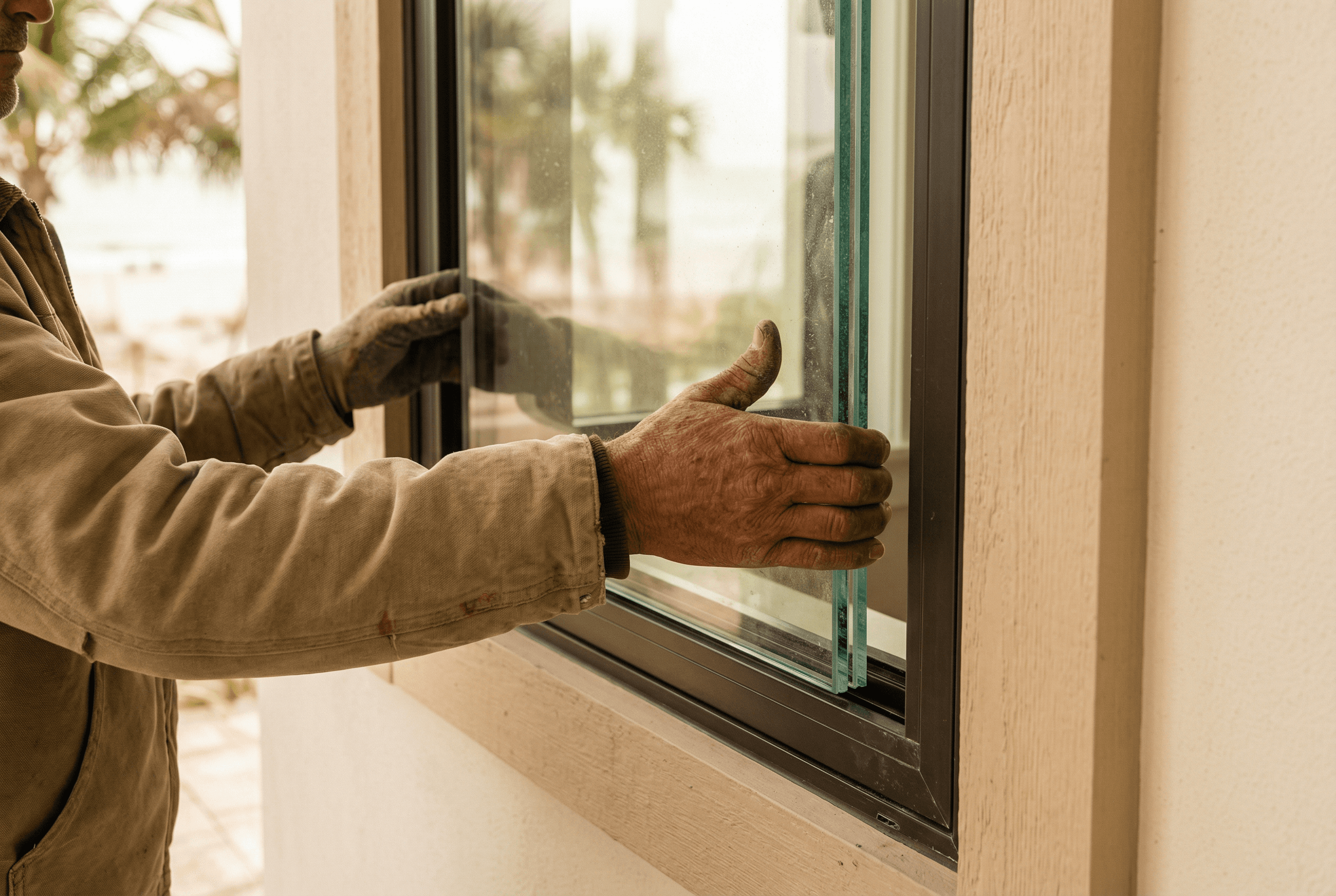
1. The First Line of Defense: Impact-Resistant Windows and Doors
The Vulnerability: The most common way a hurricane destroys a home is not by blowing the roof off directly — it is by breaching a window or door. Once the building envelope is compromised, the sudden pressurization inside the house can literally push the roof off from the inside out. Standard glass shatters on impact, turning your home into a wind tunnel in seconds.
The BALLENCIACE Standard: We refuse to compromise on fenestration. Upgrading to high-velocity hurricane zone (HVHZ) impact windows and doors is the single most effective step you can take. These specialized units feature heavy-duty aluminum or vinyl frames and laminated glass that might crack under extreme impact but will not shatter and breach. Beyond storm protection, they offer massive benefits in daily life: drastically reduced energy bills, significant noise reduction from busy Tampa streets, and enhanced security against break-ins. For our clients in St. Petersburg and Clearwater, this is the upgrade that delivers the most value per dollar.
2. Securing the Crown: Roof Tie-Downs and Underlayment
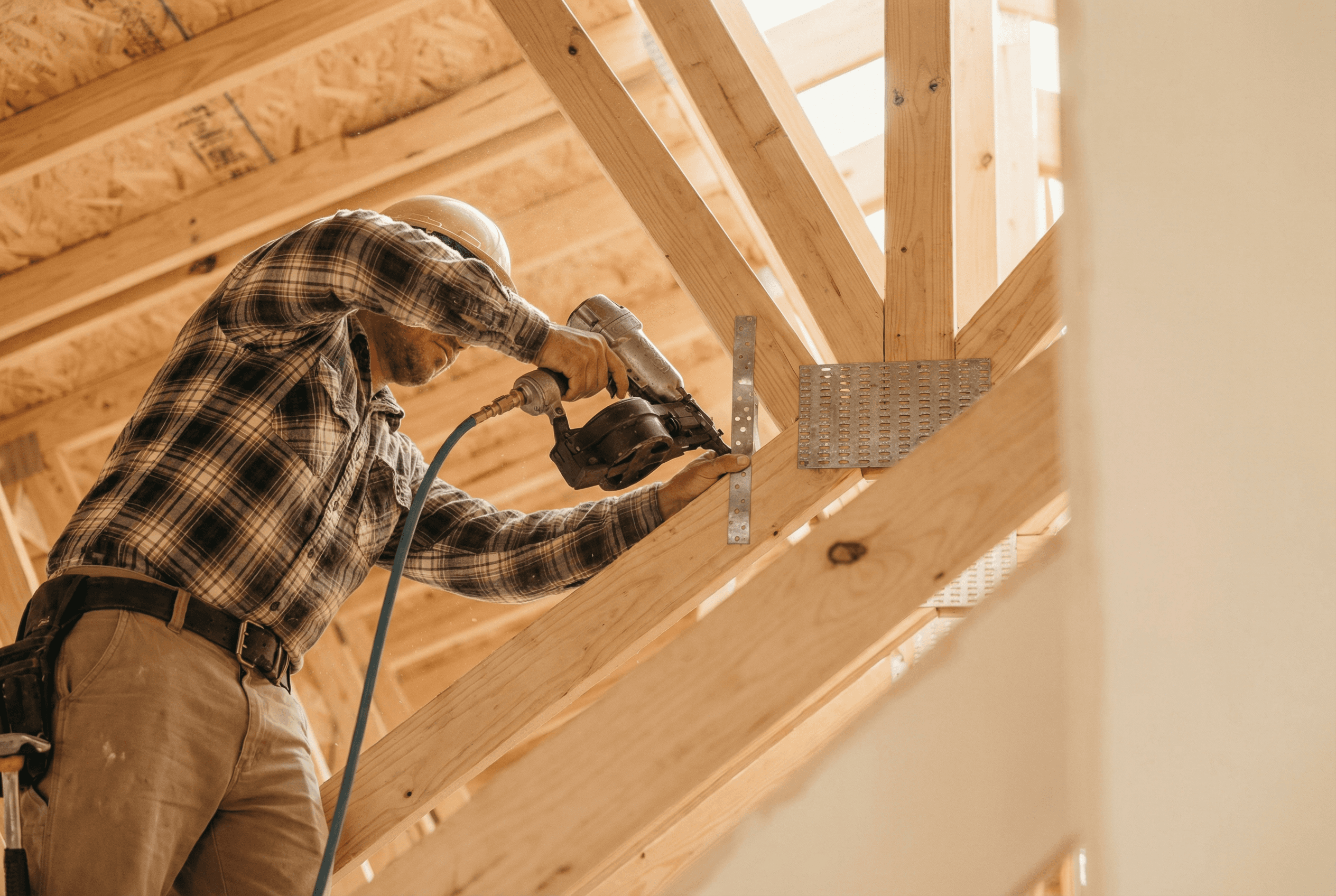
The Vulnerability: Older homes in Pinellas and Hillsborough counties were often built before the stringent post-Andrew building codes of 2002. Their roofs may lack the structural connections necessary to withstand Category 4 or 5 uplift forces. During a major hurricane, the roof is the most critical component — if it fails, everything beneath it is exposed.
The BALLENCIACE Standard: During any major remodel or second-story addition, we address the roof structure comprehensively. We install hurricane straps or clips that create a continuous load path from the roof trusses down through the wall framing and into the foundation. This chain of connections is what keeps your roof attached when 130-mph winds try to rip it away. Furthermore, we advocate for secondary water barriers — a self-adhering polymer underlayment applied directly to the roof deck. Even if high winds tear away your shingles or tiles, this barrier prevents catastrophic water intrusion from ruining your custom drywall, cabinetry, and flooring.
3. Reinforcing the Weakest Link: The Garage Door
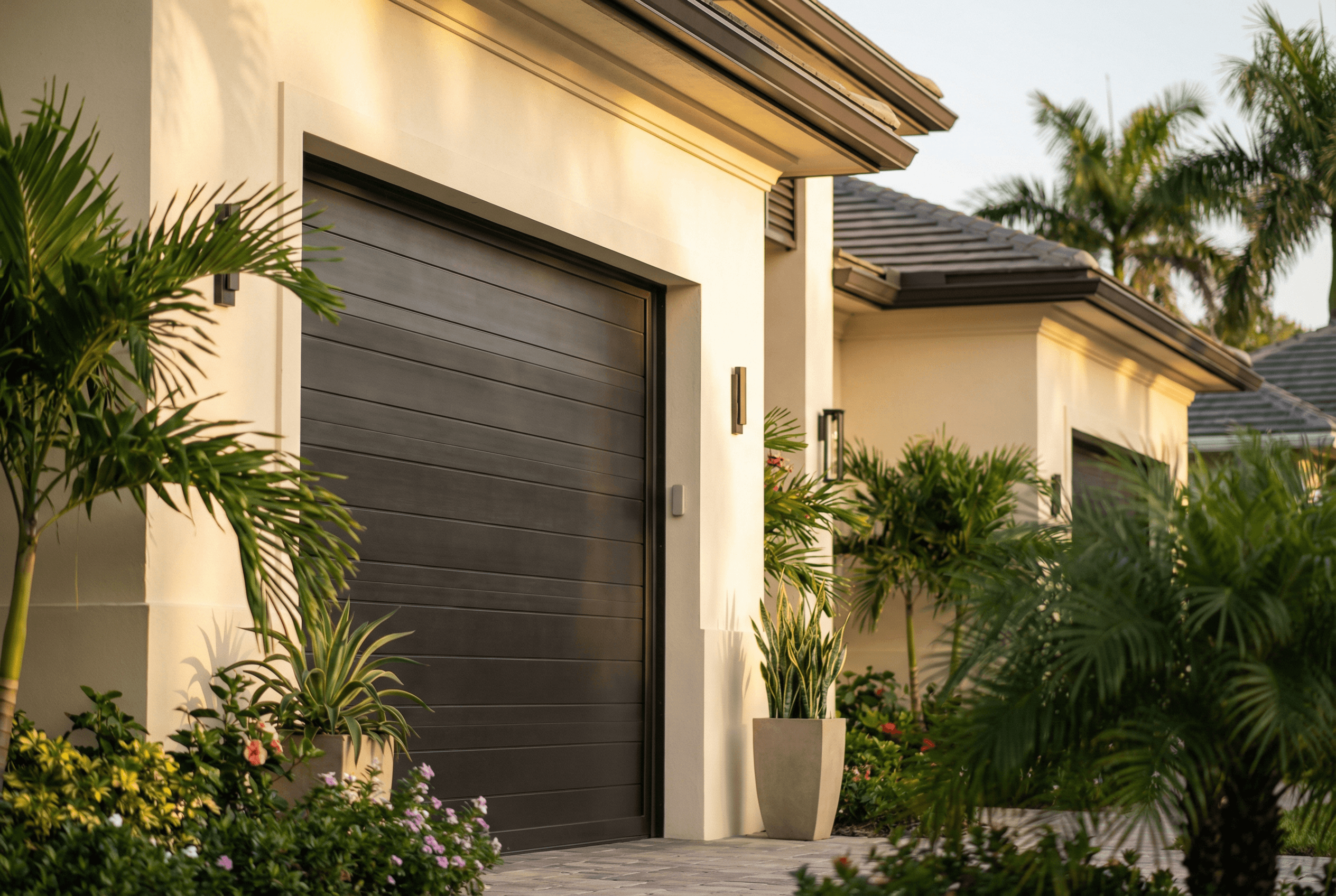
The Vulnerability: Because of its massive surface area, a standard garage door is highly susceptible to wind pressure. If it buckles or blows in, the resulting internal pressure can cause severe structural failure to the rest of the house. Insurance adjusters consistently identify failed garage doors as one of the leading causes of total home loss during hurricanes.
The BALLENCIACE Standard: A wind-rated, impact-resistant garage door is essential for any Tampa Bay home. We install heavy-duty doors with reinforced steel tracks and specialized bracing systems designed to withstand both positive and negative wind loads. For our clients building custom homes or undertaking major renovations, we specify garage doors that meet or exceed the Miami-Dade County wind load requirements — the most stringent standard in the nation. This is a relatively straightforward upgrade that provides massive structural dividends when it matters most.
4. Protecting Your Outdoor Living Spaces
The Vulnerability: Flimsy screen enclosures, unanchored pergolas, and poorly constructed lanais can become dangerous projectiles during a storm, damaging your home or your neighbor's property. In Tampa Bay, where outdoor living is a way of life, these structures are often the first casualties of tropical weather.
The BALLENCIACE Standard: When we design and build custom outdoor living spaces in St. Pete and Clearwater, we engineer them for Florida reality. We use heavy-gauge aluminum framing for screen enclosures, secure custom outdoor kitchens with robust masonry block construction, and ensure that all structural posts are deeply anchored into reinforced concrete footings. Your outdoor oasis should be a permanent extension of your home, not a liability when the wind picks up. Every outdoor structure we build is designed to meet current Florida Building Code wind load requirements for your specific exposure category.
Why a CGC-Licensed Builder Matters for Storm Upgrades
Installing impact windows, retrofitting roof straps, and reinforcing structures are not DIY projects, nor should they be entrusted to an unlicensed handyman. These upgrades require precise engineering, strict adherence to the Florida Building Code, and mandatory municipal permits and inspections in Pinellas and Hillsborough counties.
By partnering with a State-Certified General Contractor like BALLENCIACE Construction, you guarantee that every modification is executed with uncompromising quality and full legal compliance. Furthermore, properly permitted wind mitigation upgrades can significantly lower your homeowner's insurance premiums — a crucial benefit in today's challenging Florida insurance market. A certified wind mitigation inspection after these upgrades can unlock substantial annual savings.
Do not wait for a warning cone to appear over Tampa Bay. Secure your peace of mind today. Contact Jojo and the BALLENCIACE team to schedule a free consultation and discover how we can integrate premium storm protection into your next custom remodel, home addition, or new build.